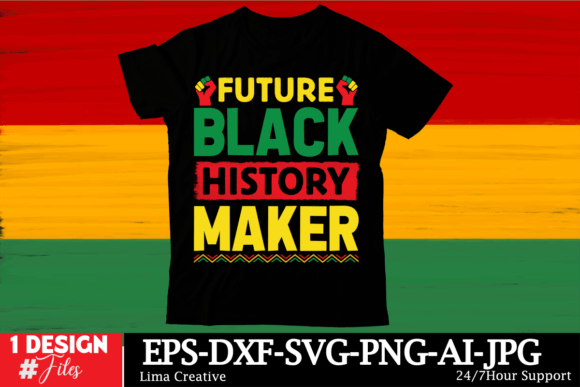
A Designer's Review: Stitching the "Future Black History Maker" Design
When I opened the "Future Black History Maker" bundle, my first thought wasn't about the six files—it was about the mood. This isn't a subtle, minimalist graphic. It's a statement piece, bold and celebratory. The layout feels intentionally layered, combining themes of Black History Month, Juneteenth, Kwanzaa, Black Pride, and Black Lives Matter into a cohesive visual declaration. As an embroidery designer, I immediately started visualizing where this personality would shine brightest.
The Natural Habitat for This Embroidered Statement
Let’s talk real projects. I pictured a custom-order scenario: a client requesting a unique, meaningful gift for a graduate or a new baby. This design wouldn’t feel right on a delicate handkerchief. Its natural habitat is on substantial fabric. Imagine it stitched on a heavyweight cotton tote bag, the satin stitches of the lettering holding up to daily use, or centered on a cozy sweatshirt for a family reunion. The thematic weight of the design demands a product that can carry it: aprons, pillow covers for a home office, or a well-made cap.
For a small business owner, this bundle is a versatile commercial embroidery asset. An Etsy seller could create a line of "Future Black History Maker" patches, perfect for jackets and backpacks. A boutique could offer embroidered tea towels as thoughtful holiday gifts. The design’s inclusive messaging boosts its giftability and recognition, making finished products feel personal and purposeful, which directly enhances customer trust and product value.
Where This Design Requires a Careful Hand
Embroidery isn't just about the digital file; it's about the physical translation. With any bundled design containing multiple textual and symbolic elements, stitch clarity is paramount. Here’s my practical judgment for real-life application.
First, fabric choice. I would avoid very stretchy or thin materials unless using a very robust stabilizer. The potential stitch density in some areas could pull on delicate fabrics. Dark fabric backgrounds are ideal for the bold messaging, but thread color contrast must be planned—a stark white or bright gold satin stitch would pop beautifully.
Second, scale and detail. If you're thinking of a small hoop size for a baby’s romper or a hat’s curved surface, you must inspect the small details in the provided files. Tiny, intricate lettering can become muddy if the stitch width is too fine. Always test the design on scrap fabric first. This step reveals whether fill stitches in denser areas are smooth and whether running stitch outlines are clean.
Finally, consider the end-use. Products needing frequent washing, like kitchen towels or baby items, benefit from a robust stitch construction. Review the design in your software to check that elements aren't too fragile for wear and tear.
Turning Digital Files into Professional Handmade Products
As a craft business owner, your success hinges on professionalism. This design bundle, labeled for T-Shirt Designs and Graphics, clearly lends itself to apparel. But its application is broader. To ensure brand consistency and a polished handmade presentation, I follow a simple checklist.
- Test the embroidery file on both light and dark fabric scraps to judge contrast.
- Create printable mockups using the PNG files to preview products for your shop.
- Confirm the appropriate hoop size for your intended product—don't assume.
- Use the proper stabilizer for the fabric texture; a tote bag canvas differs greatly from a sweatshirt fleece.
- Check whether the design works for both personal and commercial projects by confirming the licensing terms of the download. This is crucial before selling finished items.
The bundle’s variety (SVG, PNG) is a boon for digital product sellers and creative entrepreneurs, allowing for mockups and branding beyond the stitch itself. However, for the embroidery project itself, your focus is on the machine embroidery design file. How does it stitch out? Does the “We Are Black History” text remain legible at your chosen size? These are the questions that separate a good digital asset from a great finished product.
The Real-Life Scenario: Embroidering a Boutique Tote Bag
Let's walk through a scenario. I’m preparing a custom embroidered tote bag for a boutique’s February merchandise line. I select a sturdy, natural canvas bag. I choose the “Future Black History Maker” element that best fits the bag’s panel. After testing on canvas scrap, I settle on a vibrant thread palette. The embroidery process is smooth, but I pay close attention to the layered symbolic elements—ensuring their outlines are crisp. The final result is a bag that feels both handmade and professionally crafted. It’s not just a graphic; it’s a stitched artifact. Customer reaction isn't just to a nice tote; it's to the meaning and craftsmanship combined.
This is where the design’s value multiplies. It becomes more than a digital download; it’s a conversation piece, a branded product that tells a story, and a gift that resonates. For apparel decorators and makers, that emotional and visual appeal is the key to buyer engagement.
Final Practical Notes for Your Project
In summary, "Future Black History Maker" is a powerful, mood-setting bundle perfect for substantial custom apparel and gifts. Its strength lies in its thematic clarity and versatility across products like sweatshirts, bags, and patches. Its challenge lies in the careful technical execution required to maintain detail clarity on different fabrics and scales.
Always remember:
- Your embroidery machine and fabric choice are active collaborators with the design.
- The commercial success of your finished product hinges on both aesthetic appeal and physical durability.
- Understanding the license of your digital design assets is the foundation of a responsible craft business.
Approach this design with a confident, observant eye. Plan your thread colors, your stabilizer, your hoop. Then stitch it into a product that not only celebrates history but also showcases the quality of your handmade craft.